


When Richard Lambert lines up at the start of the Marathon des Sables in the Sahara Desert next April, there won’t have been a unit of alcohol in his system for quite a while.
Good thing, too, as after a few beers, he tends to think it’s a great idea to sign up for a challenge. On this occasion, he signed up for the world’s toughest footrace: a gruelling 250km trek across the Sahara Desert. Competitors must carry all their own supplies for seven days across sandy, uneven terrain, providing a punishing test of physical endurance and mental strength, all in temperatures that can soar to 50°C.
‘I was at a former Winter Olympian’s 80th birthday party, and it was full of like-minded, similarly fit guests. I got chatting to people in their 60s, 70s and 80s who had been training to hike mountains, row the Atlantic and compete in Ironman events, among many other amazing achievements,’ said Richard, who has never completed an official marathon or ultra-marathon.
‘One had recently signed up for the MDS, and I thought, if these oldies can do all this, I’m sure I’ll find it a piece of cake.

‘The next day, I looked into it and realised it wasn’t as easy as I’d thought. But I love a challenge, and it definitely didn’t put me off,’ said the 43-year-old, who is raising money for Tommy’s, the charity that funds medical research into the causes of premature birth, stillbirth and miscarriage.
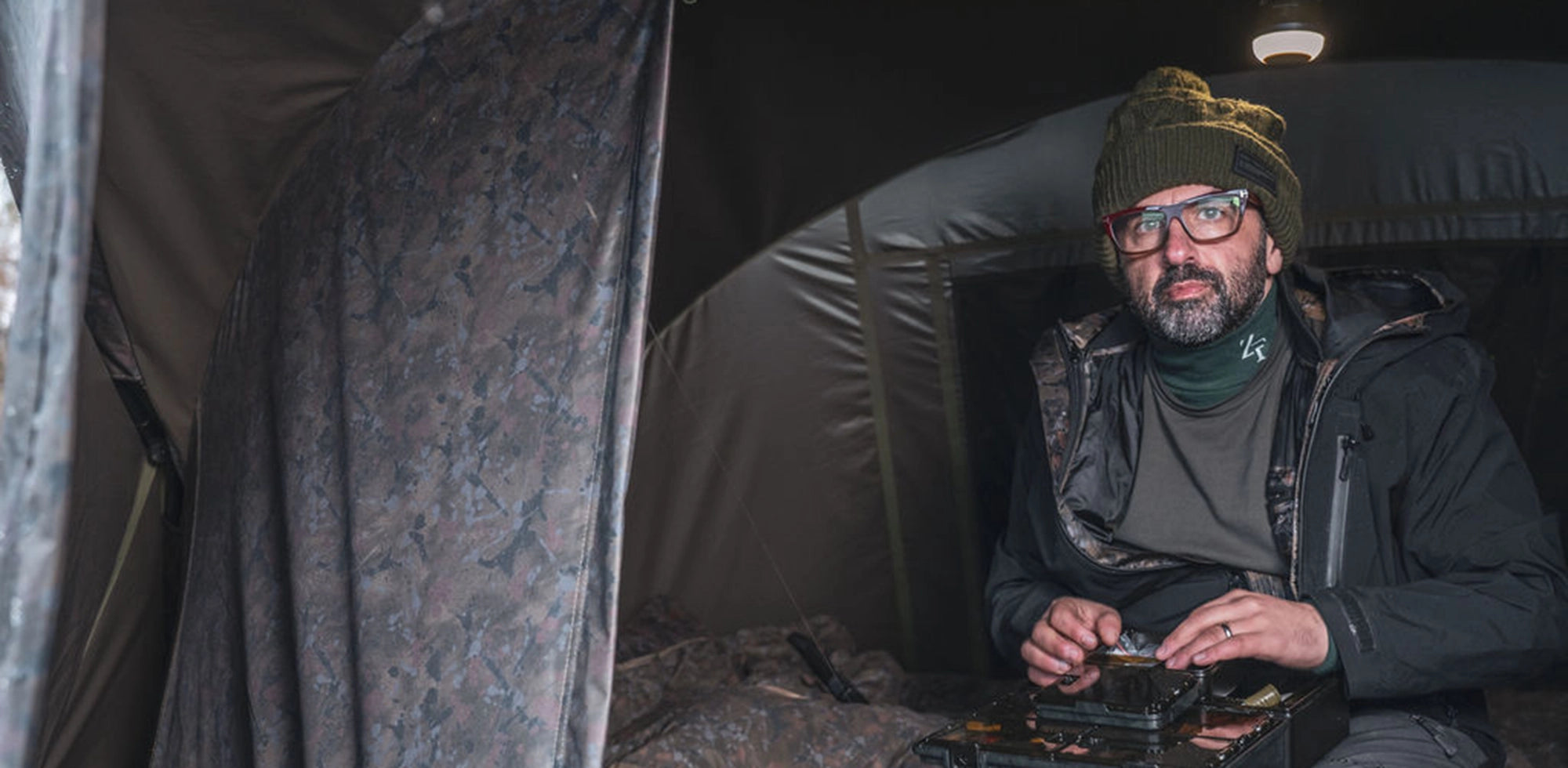
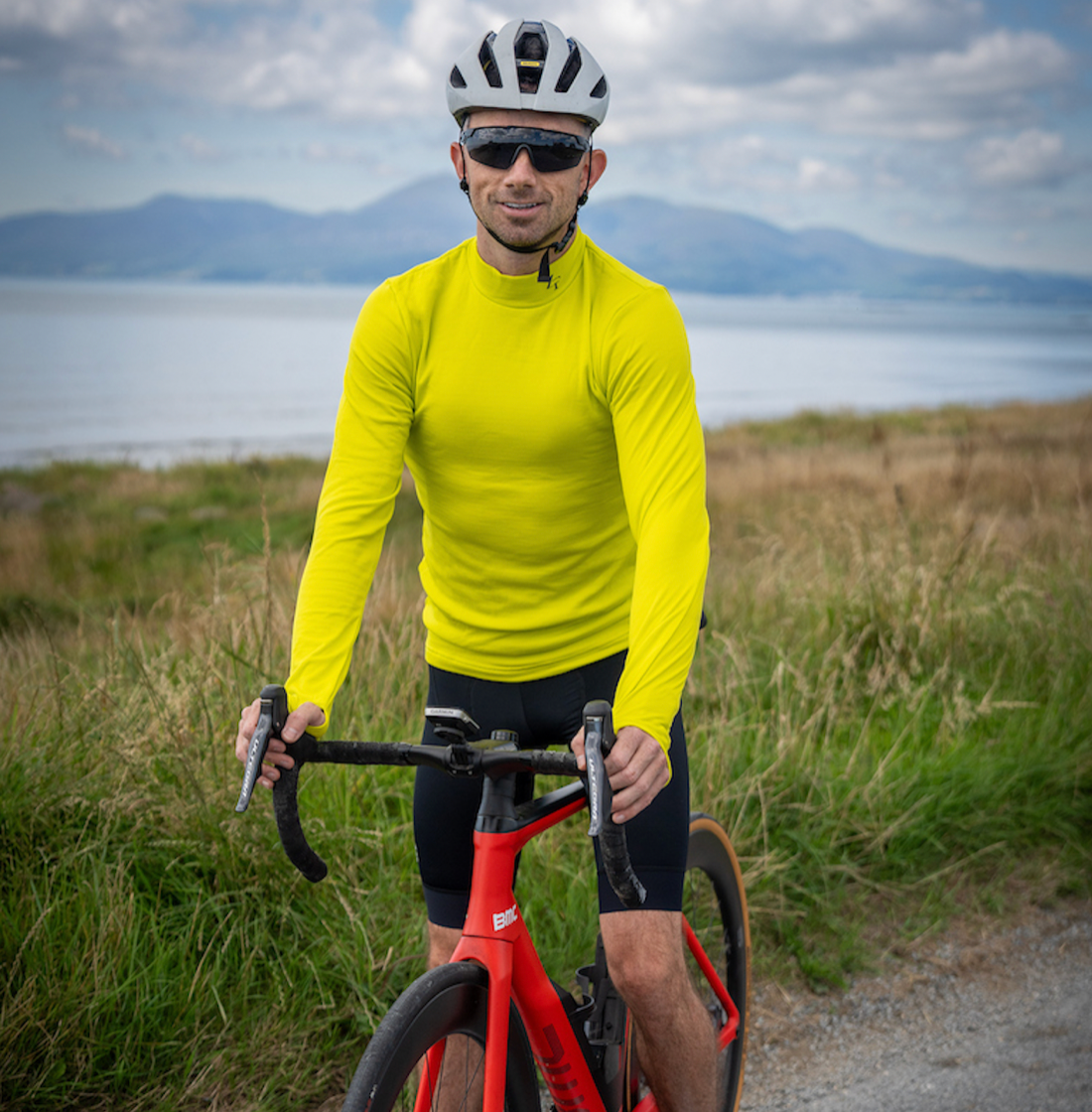
Zerofit is honoured to be providing the base layers for Richard’s challenge, including the Heatrub Move and IceSkin. Despite always being fit and healthy, Richard is, by his own admission, anything but an elite athlete.
‘I wanted to document what happens when someone starts without the obvious endurance-running background and decides to take on something that, on paper, seems completely unreasonable, then tries to work out how to become capable of doing it,’ said Richard, who works in the motorcycle industry, managing overseas accounts for Feridax.

‘I’m not trying to portray myself as an elite athlete or an experienced ultra-runner. Quite the opposite. The interesting part, for me, is starting from a relatively ordinary place and seeing how far I can take myself.
‘I’m not an unfit guy. I’ve always been active, but during COVID, my partner Anna and I actually managed to get out of the country and went to the Maldives. With nothing to do other than relax and enjoy the freedom of not having to wear a mask, I gained two and a half stone in three weeks.
‘Towards the end of that holiday, I couldn’t get any of my trousers on. I was living in shorts, and that’s what kick-started my fitness journey. I’ve just never stopped. I lost 35 pounds in a few weeks when we got back and then really started hitting the gym. I began running with some other Dads, and we started going together on Saturday mornings. We used to reward ourselves with a few beers on a Friday night, and we’d sign up for various events, including 10Ks and half-marathons.’

‘We signed up for a Wolf Run, a 10K course with lots of obstacles. Great fun. Unfortunately, it was absolutely freezing on the day, and most of our group felt pretty rundown afterwards. We had the Birmingham Half Marathon the following Sunday, so we’d spent five days feeling awful. Come Saturday night, though, one of the guys suggested a few pints and a curry. We weren’t going to be setting the world alight with our pace, after all, so it sounded good!
‘I woke up feeling really worse for wear but got myself to the start line and started slowly to pace myself. Running soon sobered me up, and I completed it with a PB of one hour and 34 minutes, despite having been ill for a week and spending the night before on the beers and eating a curry. When I signed up for the MDS, a friend said I’d have to take a sledge and drag a crate of wine behind me!’
Ultimately, there are no shortcuts when it comes to the MDS and, in Richard’s words, ‘you cannot blag your way across the desert’. So, what does training look like?

‘It’s evolved considerably since I entered. I’ve gone from relatively normal fitness and walking to much longer trail sessions, carrying weight, working on hills, getting used to spending hours on my feet, gradually building my understanding of what my body can actually tolerate and incorporating more heat training.
‘I’ve joined a Facebook forum for MDS veterans who are happy to share tips from their own experience of completing the challenge and offer guidance on essential kit. It’s key to keep your bag as light as possible, especially in the sand, because every extra gram adds to the effort required to get across it.’
While the MDS sounds brutal from start to finish, there’s one part that Richard is paying particular attention to.

‘I’m most nervous about stage four, which is anywhere between 80 and 100km and has to be completed within a two-day window. If you can finish it in a day, you obviously get an extra day of rest. But this is an ultra-marathon in the heat, on sand, with a rucksack, and it comes after three days of hard, gruelling running. But, as I said, I love a challenge!’
You can follow Richard’s journey on his ZerotoSahara Instagram page. Everyone at Zerofit is cheering him on, especially during that fourth stage! You can also contribute to Richard’s JustGiving page as he continues to raise money for Tommy’s.